
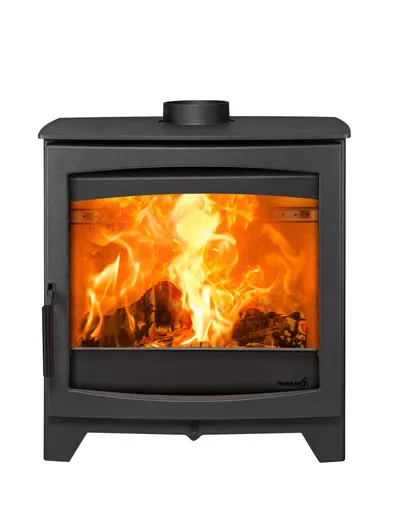
What an annual wood heater service covers
A wood heater works hard for months each year. Seals wear, bricks crack, soot builds up and the flue narrows. An annual service puts all of that right before it becomes a problem.
This guide explains what a service and flue sweep covers, why it is worth doing every year and when to book it.
Why service a wood heater at all
Three reasons matter most.
Safety. A blocked or damaged flue is a fire risk. Creosote is flammable. A worn door seal or failed flue connection can let smoke or fumes into the room.
Performance. A heater with tired seals leaks air, which makes the fire harder to control. Cracked bricks and a damaged baffle change how the heater burns. A clean heater burns the way it was designed to.
Cost. Small faults are cheap to fix. Left alone, they grow. Catching a worn seal early is much cheaper than replacing a damaged part later.
What a service covers
A good service looks at the whole system, from the firebox to the flue cap. Here is what to expect.
Door and glass seals
The door seal is a rope gasket that keeps the firebox airtight. Over time it flattens, frays and hardens. A leaky seal lets in uncontrolled air, which makes the fire burn faster and hotter than you intend. A simple test is to close the door on a strip of paper. If it slides out easily, the seal is not gripping. The glass also has a seal, which the technician will check.
Firebricks
Firebricks line the firebox and protect the steel and cast iron from the heat. They crack and crumble with age. Small hairline cracks are common and often fine. Pieces that are missing, loose or badly broken need replacing.
Baffle
The baffle sits above the fire and directs gases through the firebox before they exit. It helps hold heat in and supports clean combustion. It can warp, crack or become coated with ash. A damaged baffle changes how the heater burns, so the technician will check its position and condition.
Glass
The technician will clean the glass and inspect it for cracks or chips. Heavy staining is often a sign of damp wood or a fire run too low. Our guide to seasoning firewood helps you prevent it.
Flue connection and flue
The flue is where the sweep happens. A sweep removes soot and creosote from the flue, the connection to the heater and the area above the baffle. The technician also checks that the flue sections are firmly joined, that the cap is in place and that nothing is blocking the top.
They will look for signs of heat damage, rust or loose fittings. If anything looks wrong, they will tell you before you light the fire.
Ash and firebox
The firebox and ash area are cleared of old ash. The air controls are tested to make sure they open and close smoothly.
Why book before the burning season
The best time to service a heater is before you need it. There are good reasons.
- Availability. Technicians get busy once the cold arrives. Booking early means you pick a time that suits you.
- Parts. If something needs replacing, you have time to order it. During peak demand, parts and technicians can both be harder to get.
- No downtime. A fault found in the middle of a cold snap leaves you without heat while you wait. A fault found beforehand is fixed before you notice.
- Peace of mind. You light the first fire knowing the heater and flue are sound.
A heater that is used heavily may need a sweep more than once a year. Ask your dealer how often suits your pattern of use and your fuel.
What you can do yourself
Some jobs are simple enough to do between services.
- Clear ash regularly, leaving a thin bed to help the next fire.
- Wipe the glass when it is cool.
- Look at the door seal and check it still sits firmly.
- Burn dry wood below 20% moisture to slow soot build-up.
- Watch the smoke from the chimney. Thick or dark smoke is a warning sign.
Leave the flue, the baffle and any structural parts to a qualified person. Installation and alterations must be by a qualified installer to AS/NZS 2918.
Spare parts
Seals, bricks and baffles wear out and are replaceable. Genuine Parkray parts fit the way they should. Browse the spare parts page to see what is available, or ask your dealer to order what you need.
If you are not sure which part you need, your dealer can identify it from your model. For questions about cover on your heater, see the warranty page.
How to book
Hunter Stoves Australia sells only through authorised dealers, and your dealer is the best first call for a service. Use the dealer locator to find one near you, or phone 1800 064 234.
If you are still choosing a heater, our comparison guide and our guide to low emission heaters are good places to start.
Ready to find your heater?
Browse the full Parkray Aspect Eco range.